Everything you need to brew kombucha at home…
Good news! You don't need much. One of the best things about brewing kombucha at home is that you probably already have most of what you need in your kitchen. And the things you don't have? They're easy to find and won't break the bank.
Let's break it down.
Tools:
The Must-Haves
These are the non-negotiables, the things you genuinely can't brew without:
A large glass jar — at least 2 litres, wide-mouthed so your SCOBY has room to breathe. Mason jars or old pickle jars work perfectly.
A breathable cover — a piece of tightly woven cloth, a coffee filter or even a clean tea towel secured with a rubber band. Your brew needs airflow but no bugs getting in.
A rubber band or string — to keep that cover in place.
A wooden or plastic spoon — for stirring. Avoid metal as it can interfere with your SCOBY.
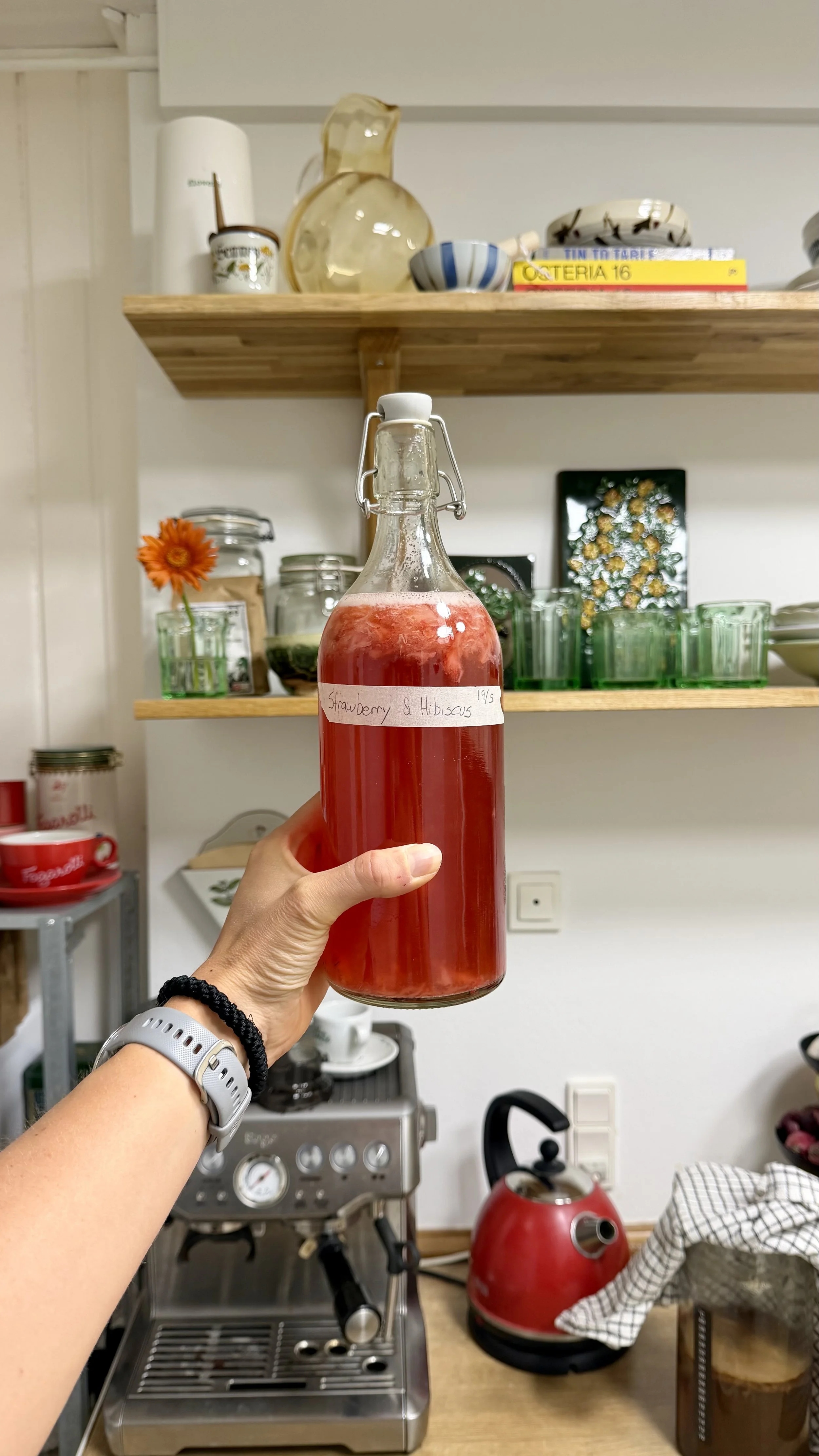
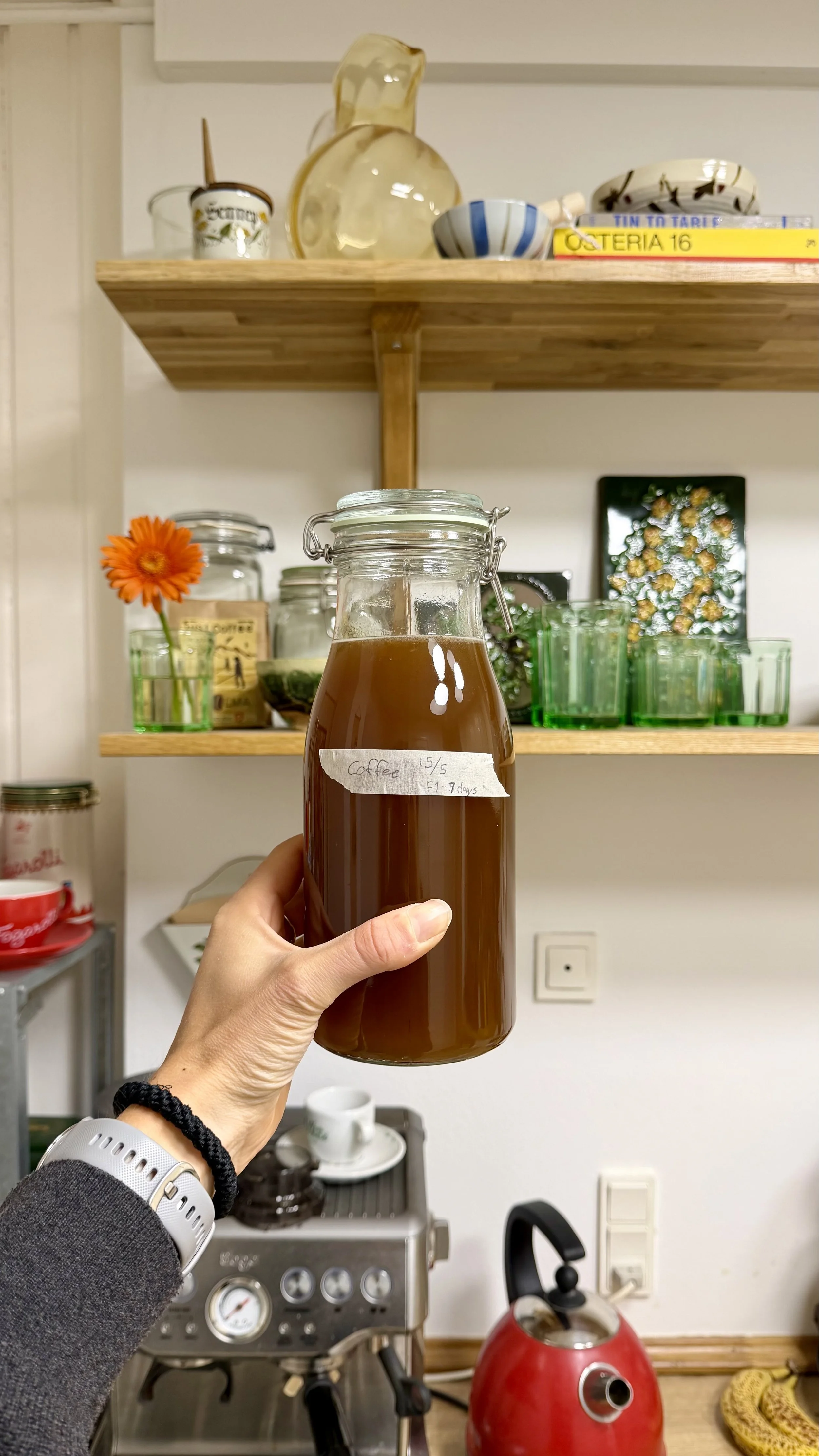
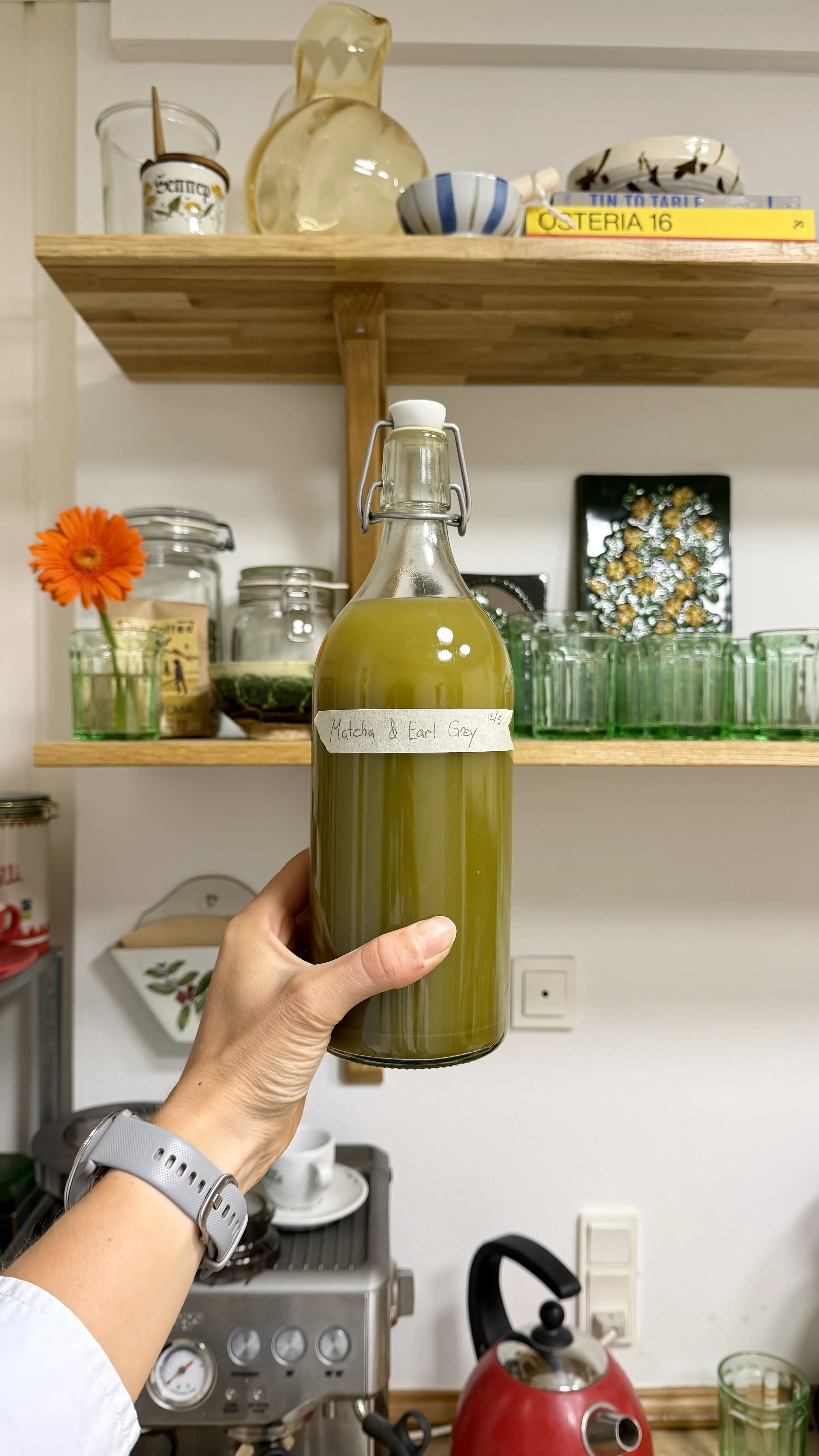
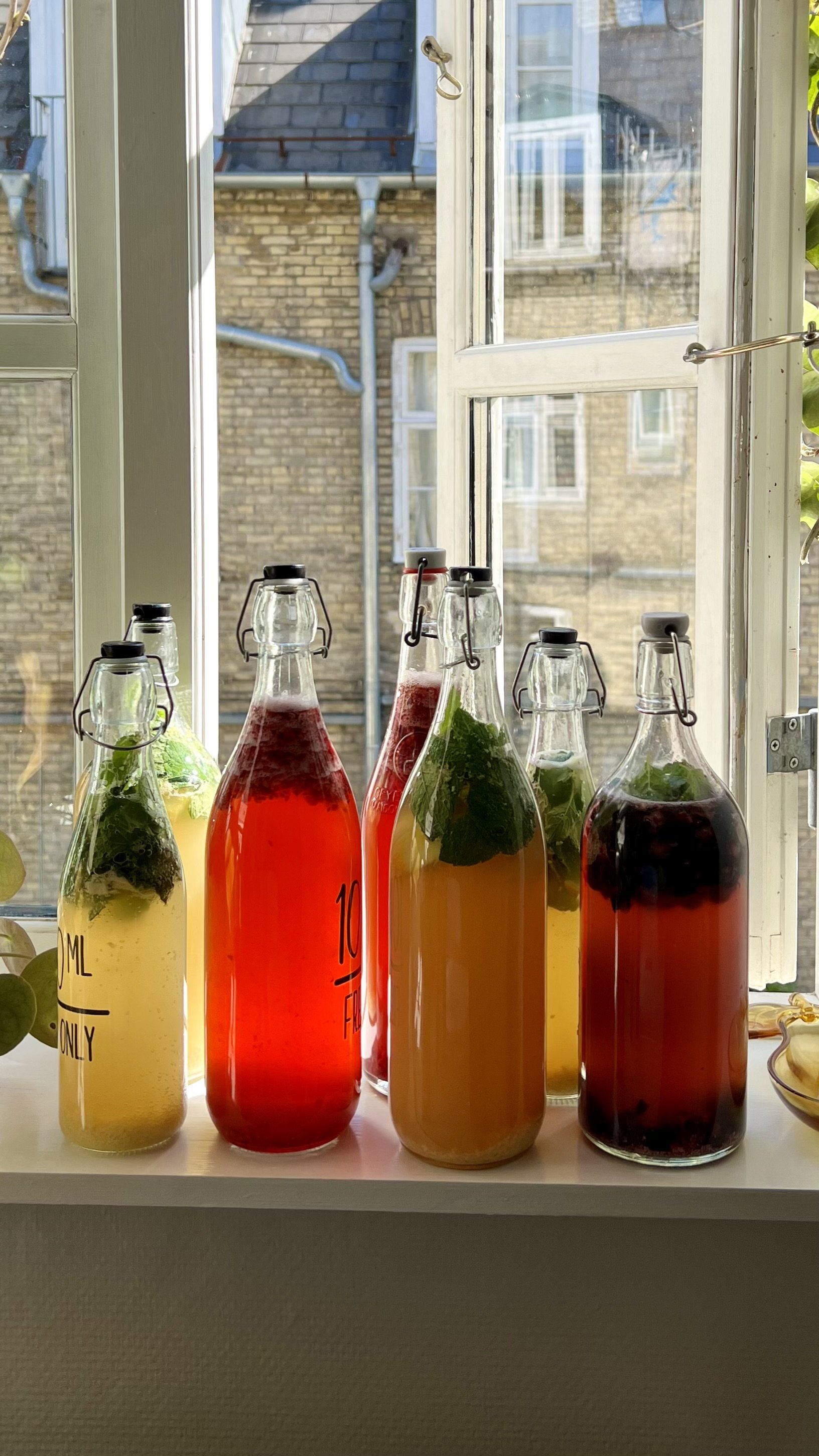
Glass bottles with tight lids— for your second fermentation and storing your finished kombucha. Flip-top bottles work brilliantly for building carbonation.
A funnel— for pouring your kombucha fermentation 1 into your bottles.
A measuring jug — for measuring the amounts of your tea, water and SCOBY
Nice to Have
Not essential but these make the whole process a little smoother and more enjoyable:
A pH strip or meter — takes the guesswork out of knowing when your brew is ready. You're looking for somewhere between 2.5 and 3.5.
A kitchen thermometer — to make sure your sweet tea has cooled down before you add your SCOBY. Too hot and you'll damage it.
Labels and a marker — for dating your bottles. Future you will be grateful.
A dedicated brewing spot — okay, not a tool exactly but finding a warm, stable corner of your kitchen away from direct sunlight makes a real difference.
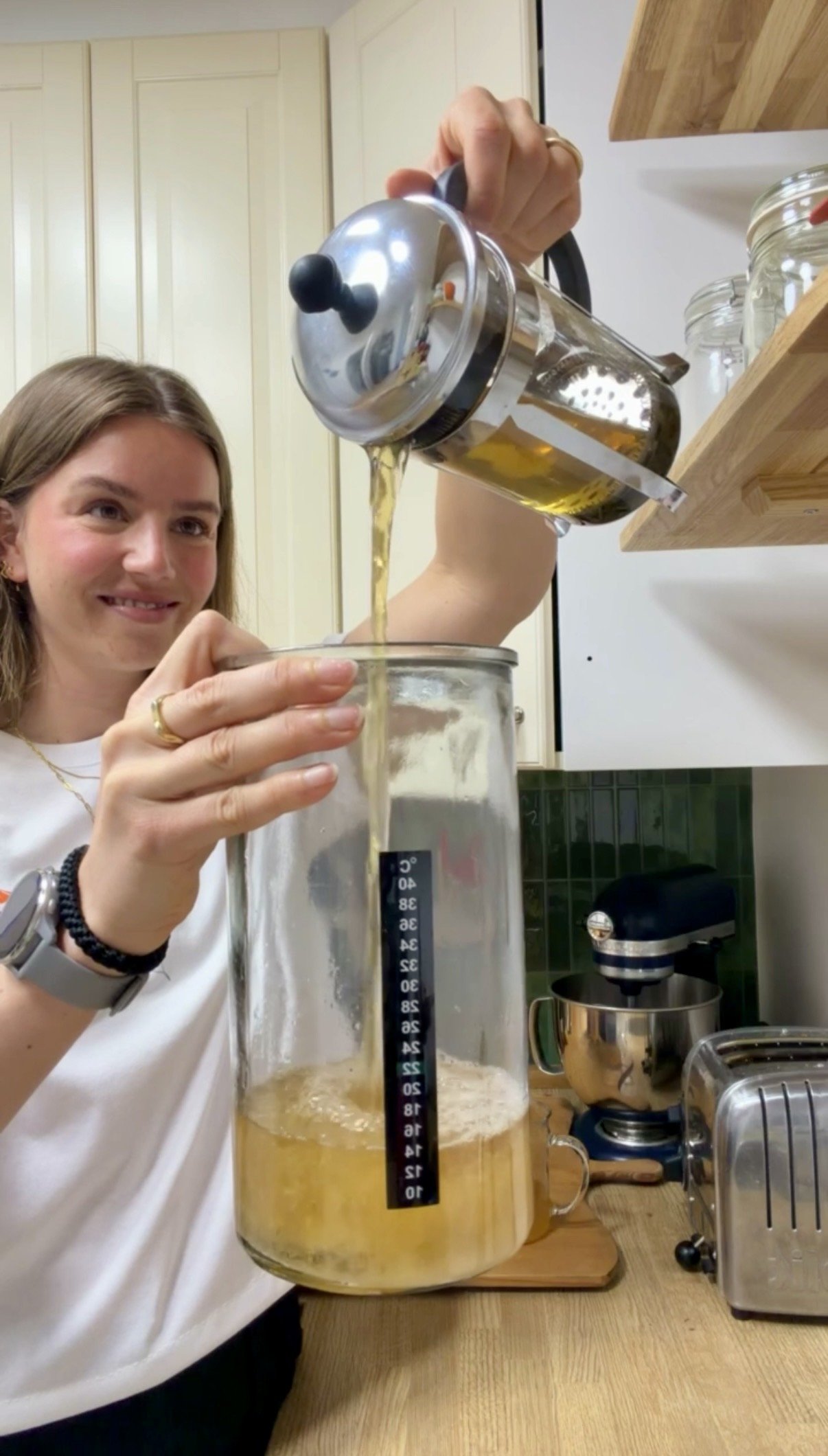
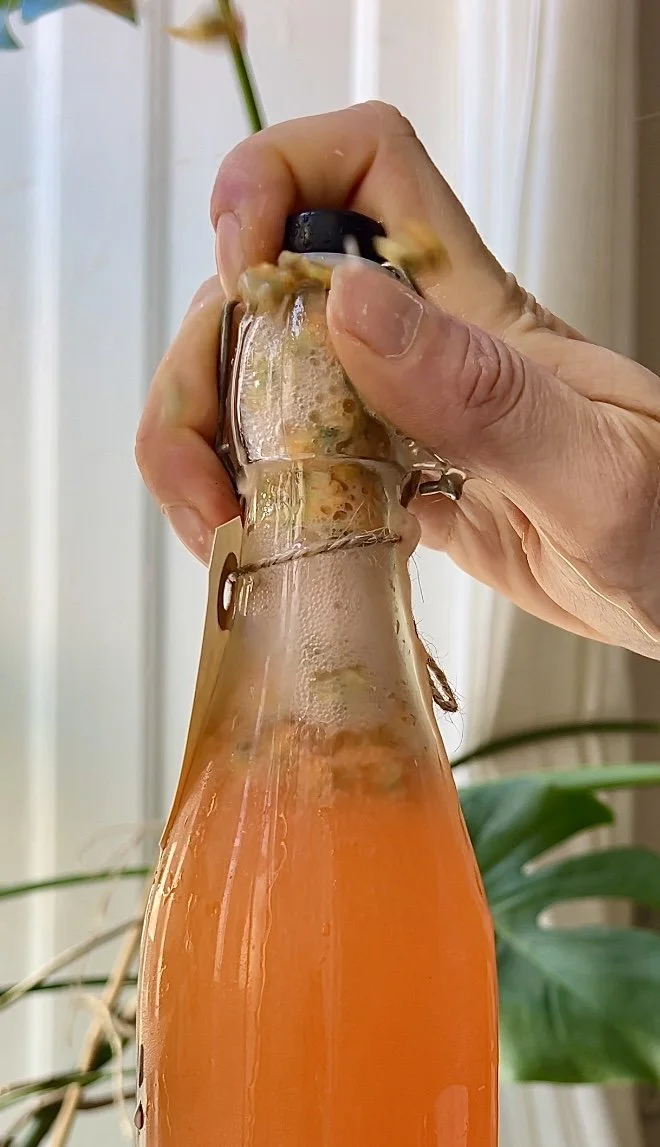
The Ingredients
This is where kombucha earns its reputation for simplicity. You only need four things:
Tea — black tea is the classic choice and the most reliable for beginners. Green tea works beautifully too and gives a lighter, more delicate flavour, I like to use a 50/50 mix. Avoid flavoured or oily teas like Earl Grey, the oils can harm your SCOBY.
Sugar — plain white sugar is best to start with. It ferments cleanly and gives your SCOBY exactly what it needs. You can experiment with alternatives later but keep it simple for your first few brews.
Water — filtered is ideal if you can. Tap water with high chlorine can stress your SCOBY, so if that's all you have, leaving it out overnight helps.
SCOBY — the living heart of your brew. The starter liquid (unfiltered and unflavoured kombucha) plus the pellicle. If you don't have a friend to give you one, you can grow your own from a good quality store-bought raw kombucha (here’s the recipe), or order one online.
That's genuinely it. Four ingredients, a handful of tools, and you're ready to start brewing :)